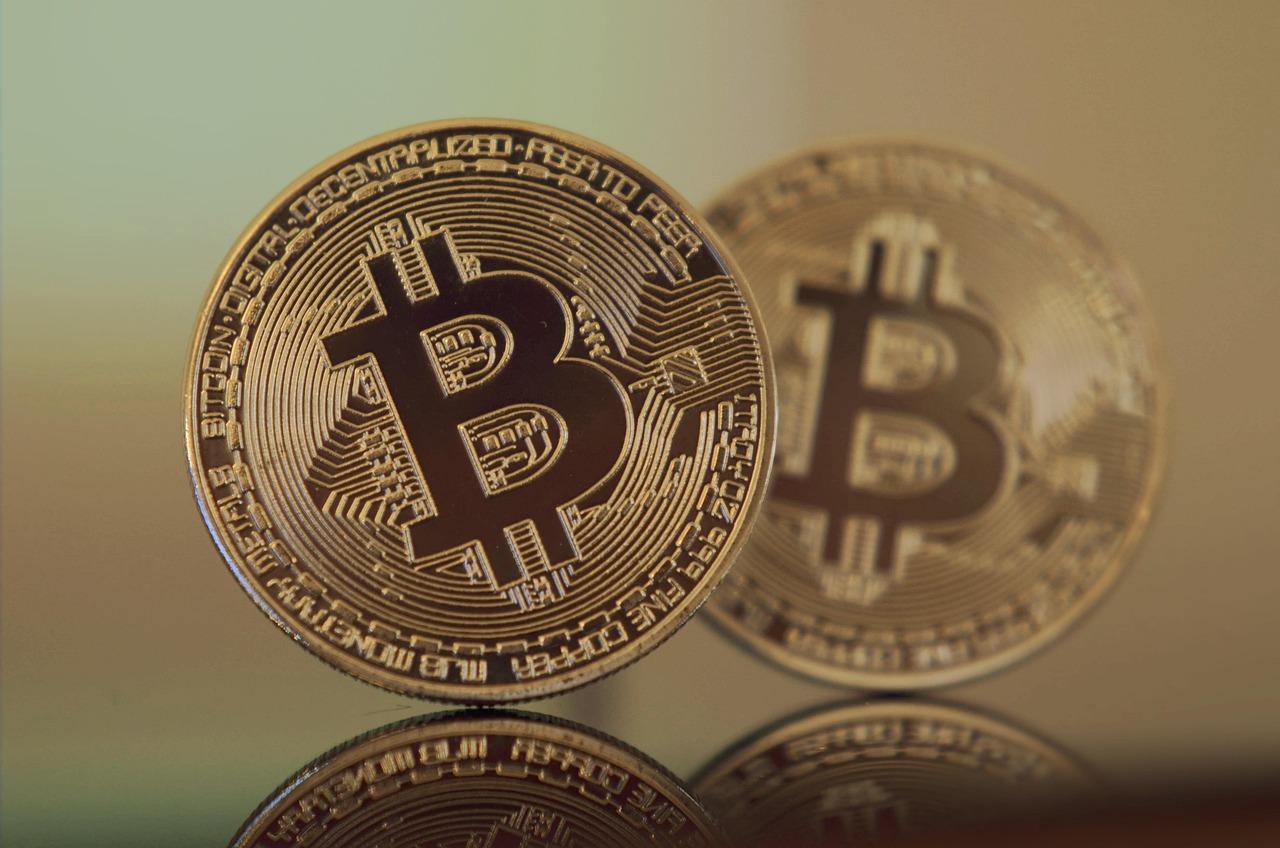
Welcome to 2026. The air in the crypto world is thick with anticipation, a palpable hum of activity that has many asking: Is the 2026 cryptocurrency boom truly upon us, or are we simply experiencing another ephemeral surge? As we navigate the mid-point of this pivotal year, the answer seems less like a question and more like an undeniable reality shaping the global financial landscape. Forget predictions; we’re living the boom right now, observing its unfolding dynamics and charting its trajectory into the latter half of the decade.
For those who remember the rollercoaster of 2022-2023, the cautious optimism that characterized early 2024, and the steady build-up through 2025, the current market sentiment feels both familiar and profoundly different. This isn't just retail frenzy; it's a structural shift, a maturation of an asset class that has finally found its footing in the mainstream. From institutional titans to everyday users, the digital asset revolution is no longer a fringe concept – it's an economic force.
The Genesis of a New Era: From Bear Market to Bull Run
To truly appreciate the current climate, it's essential to briefly look back. The "crypto winter" of 2022-2023, marked by significant price corrections and high-profile bankruptcies, served as a painful but necessary cleansing. It purged unsustainable projects, highlighted the importance of robust regulation, and forced a re-evaluation of fundamental value. As the dust settled, a stronger, more resilient ecosystem began to emerge.
2024 brought with it the much-anticipated Bitcoin Halving, an event that, as history has shown, typically precedes a significant bull run. While the immediate impact wasn't an explosive surge, it laid the groundwork. Crucially, 2024 and 2025 saw unprecedented regulatory clarity emerge from key jurisdictions globally. The approval of spot Bitcoin and Ethereum ETFs in major markets, alongside progressive frameworks for stablecoins and digital asset securities, opened the floodgates for institutional capital. This wasn't just about price; it was about legitimacy and accessibility.
Now, in 2026, we’re witnessing the culmination of these factors. The market isn't just recovering; it's expanding in ways few could have accurately predicted even a couple of years ago.
Bitcoin in 2026: The Digital Sovereign
Bitcoin, as ever, remains the bellwether. After consolidating above the $100,000 mark for much of Q1 2026, we've seen BTC push comfortably past its previous all-time highs. As of mid-2026, Bitcoin is trading robustly, often fluctuating between $120,000 and $150,000, with analysts now eyeing the $200,000 psychological barrier as a tangible near-term target. Its role as a digital store of value has solidified, earning it the moniker "digital sovereign gold" in many investment circles.
What's driving this? Beyond the macro liquidity influx and ETF demand, the narrative around Bitcoin's scarcity and its unparalleled security has resonated deeply with institutional investors seeking inflation hedges and long-term portfolio diversification. Sovereign wealth funds and corporate treasuries are now openly allocating portions of their reserves to BTC, a move that would have seemed fantastical just a few years ago. The Lightning Network continues its quiet but impactful growth, enabling micro-transactions and broader utility, further embedding Bitcoin into the digital economy.
Ethereum and the DeFi Renaissance 2.0
If Bitcoin is digital gold, Ethereum is the digital oil powering the global decentralized economy. Post-Merge, Ethereum’s evolution has been relentless. In 2026, we're seeing ETH comfortably trading in the $8,000-$10,000 range, fueled by sustained demand for its smart contract capabilities and the burgeoning DeFi 2.0 landscape. The full implementation of sharding, coupled with highly efficient Layer-2 scaling solutions like ZK-rollups and optimistic rollups, has dramatically reduced transaction costs and increased network throughput, making Ethereum truly scalable for enterprise applications and mass adoption.
DeFi, which many thought had peaked in 2021, has experienced a profound renaissance. We're seeing:
- Institutional DeFi: Regulated platforms offering tokenized traditional financial products, bridging the gap between TradFi and DeFi.
- Real-World Asset (RWA) Tokenization: A massive trend in 2026. Everything from real estate and private equity to intellectual property and carbon credits is being tokenized on Ethereum and other compatible blockchains, unlocking liquidity and democratizing access to previously illiquid assets.
- Decentralized Identity (DID): Ethereum-based DIDs are gaining traction, offering users greater control over their personal data and simplifying KYC/AML processes for various Web3 applications.
The innovation on Ethereum is not just about finance; it's about building the foundational layers of a truly decentralized internet.
The Altcoin Surge: Beyond the Blue Chips
While Bitcoin and Ethereum lead the charge, the broader altcoin market is where some of the most exciting, and often volatile, gains are being made in 2026. This isn't a speculative free-for-all; it's driven by fundamental technological advancements and specific use cases.
Key Trending Sectors in Mid-2026:
- Decentralized AI (DeAI) Tokens: With the rapid advancements in Artificial Intelligence, the convergence of AI and blockchain has created a new category of high-growth tokens. Projects focused on decentralized AI model training, data marketplaces, and AI agent coordination are experiencing parabolic growth. Tokens like those powering decentralized compute networks or verifiable AI outputs are leading this charge, often seeing 5x-10x returns this year alone.
- Modular Blockchains and App-Chains: The narrative has shifted from monolithic chains to specialized, interoperable blockchains. Projects offering modular components for specific applications or providing frameworks for easily deployable "app-chains" are gaining significant traction. This allows for highly optimized, secure, and scalable solutions tailored to specific industry needs.
- Privacy-Focused Solutions: As digital surveillance concerns grow, there's a renewed interest in privacy-preserving technologies. Advanced zero-knowledge proof (ZKP) implementations, not just for scaling but for enhancing transaction anonymity and data privacy, are driving demand for specialized privacy coins and protocols.
- Web3 Gaming & Metaverse Interoperability: While the metaverse hype of 2021-2022 cooled, 2026 sees a more mature Web3 gaming ecosystem emerging. Games with true in-game asset ownership, cross-platform interoperability, and robust player-owned economies are finally gaining mainstream adoption. Tokens associated with these ecosystems, particularly those facilitating asset transfer and identity across different virtual worlds, are performing well.
- Sustainable & Green Crypto Initiatives: With increasing global focus on climate change, projects leveraging blockchain for carbon credit markets, renewable energy tracking, and sustainable supply chain management are attracting significant impact investment.
The key takeaway from the altcoin market in 2026 is a focus on utility, verifiable technology, and solving real-world problems. The days of meme coins dominating for extended periods seem to be waning, replaced by a demand for tangible value.
Institutional Floodgates: The New Normal
What truly differentiates the 2026 boom from previous cycles is the depth and breadth of institutional involvement. It’s no longer just about hedge funds dabbling in Bitcoin. We're seeing:
- Pension Funds & Endowments: Increasingly allocating a small but significant percentage of their portfolios to digital assets, often through regulated crypto funds and ETFs.
- Major Banks & Financial Institutions: Offering comprehensive digital asset services, including custody, trading, lending, and even tokenized securities issuance for their high-net-worth clients.
- Corporate Adoption: Beyond holding Bitcoin on balance sheets, companies are actively exploring blockchain for supply chain management, loyalty programs, data authentication, and more.
- Government Initiatives: Several nations are piloting Central Bank Digital Currencies (CBDCs), while others are actively exploring blockchain for public services, land registries, and voting systems, further legitimizing the underlying technology.
This institutional embrace provides a level of stability and liquidity that was absent in earlier cycles, suggesting a more sustainable growth trajectory rather than purely speculative pumps.
Technological Advancements Fueling the Fire
The 2026 crypto boom isn't just about money; it's fundamentally about technology reaching critical mass. Key innovations include:
- Interoperability Solutions: Bridges and cross-chain communication protocols have matured significantly, allowing seamless asset and data transfer between different blockchains. This is crucial for a truly interconnected Web3.
- Advanced Cryptography: Beyond ZKPs, new cryptographic primitives are enhancing privacy, security, and efficiency across the board, making blockchain applications more robust and user-friendly.
- Quantum Resistance: While still in its nascent stages, research and development into quantum-resistant algorithms for blockchain security are accelerating, a proactive measure against future threats.
- User Experience (UX) Improvements: Wallets are becoming more intuitive, dApps are more responsive, and onboarding processes are simpler, significantly lowering the barrier to entry for mainstream users.
Challenges and Risks in a Booming 2026 Market
Even amidst the euphoria, it's crucial to acknowledge the persistent challenges. The 2026 market, while more mature, is not without its risks:
- Volatility: While institutional money provides a floor, crypto markets remain inherently volatile. Sharp corrections can still occur, especially in the altcoin sector.
- Regulatory Arbitrage & Enforcement: Despite increased clarity, regulatory landscapes still vary significantly across jurisdictions, leading to potential arbitrage and ongoing enforcement challenges in areas like DeFi and new token launches.
- Security Threats: The sophistication of hacks and scams continues to evolve. While network security improves, smart contract exploits and social engineering attacks remain a constant threat.
- Scalability Bottlenecks: Even with advancements, true global mass adoption could still strain existing blockchain infrastructure, necessitating continuous innovation in scaling solutions.
- Environmental Concerns: The energy consumption of Proof-of-Work chains like Bitcoin remains a point of contention, driving demand for more sustainable alternatives and continued innovation in green mining practices.
Beyond 2026: What Does the Future Hold?
As we look past the immediate excitement of 2026, the outlook for digital assets appears even more integrated with the global economy. We are likely to see:
- Hyper-Tokenization: The tokenization of real-world assets will move beyond early adoption to become a standard practice for capital formation, asset management, and liquidity provision across virtually all asset classes.
- Ubiquitous Web3 Integration: Web3 technologies will seamlessly integrate into our daily lives, often without users even realizing they are interacting with blockchain. Digital identities, decentralized data storage, and token-gated experiences will become commonplace.
- Further Regulatory Harmonization: International bodies will likely establish more standardized frameworks for digital assets, fostering cross-border innovation and reducing regulatory fragmentation.
- The Rise of Decentralized Autonomous Organizations (DAOs) 2.0: More sophisticated and legally recognized DAOs will emerge, governing everything from investment funds to public goods, fundamentally reshaping organizational structures.
- AI and Blockchain Symbiosis: The integration of AI and blockchain will deepen, leading to autonomous decentralized agents, verifiable AI models, and new paradigms for data ownership and monetization.
The journey beyond 2026 is not merely about price appreciation; it's about the continued evolution of a parallel financial and technological system that promises greater transparency, efficiency, and individual sovereignty.
Conclusion: The Boom is Here – Adapt or Be Left Behind
So, is the 2026 cryptocurrency boom coming? The answer, unequivocally, is yes – it's already here. We are in the midst of a transformative period where digital assets are moving from the periphery to the core of global finance and technology. The confluence of regulatory clarity, institutional adoption, and relentless technological innovation has created a robust and dynamic market that is fundamentally different from previous cycles.
For investors, this means a shift from purely speculative plays to a deeper understanding of underlying technology and use cases. For businesses, it presents unparalleled opportunities for efficiency, new revenue streams, and enhanced customer engagement. For individuals, it offers new avenues for financial freedom and participation in a more decentralized future.
As we move through the remainder of 2026 and gaze into the horizon beyond, one thing is clear: the digital asset revolution is not slowing down. It's accelerating, integrating, and reshaping our world in profound ways. Staying informed, understanding the underlying shifts, and strategically participating are no longer optional – they are essential for navigating the opportunities of this new digital era.
Comments
Post a Comment